
Table of Contents
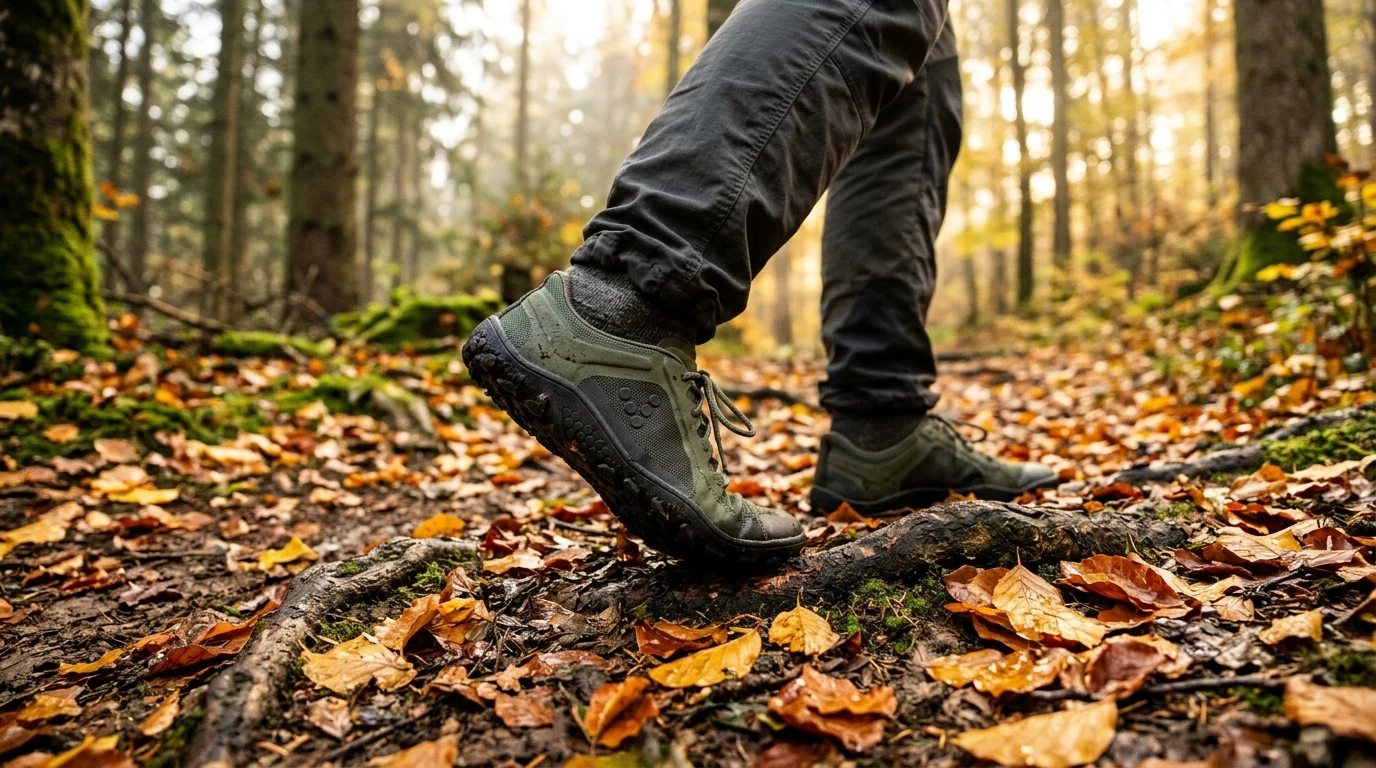
Modern conventional footwear has spent decades cramming human toes into narrow, tapered toe boxes and propping heels up on thick elevated foam wedges. YOU GUYS, there is truly nothing more exhausting than ending an eight-hour workday with throbbing foot arches, painful bunion pressure, and tight lower back stiffness caused entirely by stiff, unnatural shoes. While the barefoot and natural footwear movement has exploded in popularity, transitioning too fast in shoes that are too thin can lead to calf soreness and plantar strain if you don’t know what you are doing. Having tested barefoot running shoes, daily walking sneakers, and flexible infant footwear across trails and city concrete, we put together this complete buyer’s guide to help you choose the right zero-drop shoes and transition safely without spending a fortune.
| Footwear Category | Key Anatomical Design Features | Everyday Biomechanical Benefit | Specialist Footwear Brand |
|---|---|---|---|
| All-Terrain Barefoot Trail & Gym Shoes | Anatomical Foot-Shaped Toe Box, 4mm-6mm Zero-Drop Flexible Rubber Sole | Strengthens intrinsic foot arches, restores natural toe splay, superior ground feel | Saguaro |
| Infant & Toddler Developmental Shoes | Ultra-Soft Natural Leather / Suede, Non-Restricting Flexible Flat Sole | Allows unimpeded sensory nerve development and barefoot balance during first steps | Consciously Baby |
| Fashion-Forward Roomy Platform Sneakers | Architectural Chunky Outsole with Wide Ergonomic Forefoot Space | High-fashion streetwear visual aesthetic without painful toe pinching or blisters | Koncrete Eden |
Step 1: The Three Golden Rules of Natural Footwear
Before purchasing your first pair of barefoot shoes, verify that the shoe satisfies the three fundamental biomechanical criteria:
- Anatomical Wide Toe Box: Most conventional shoes taper inward at the big toe and pinky toe, squishing your toes into an unnatural triangular wedge that causes bunions and hammer toes. A true natural shoe resembles the actual human foot: it fans outward at the forefoot, allowing all five toes to splay freely with every step.
- Zero-Drop Profile: “Drop” refers to the height difference between your heel and your ball-of-foot. Conventional running shoes feature an 8mm to 12mm heel elevation, which tilts your pelvis forward and shortens your Achilles tendon. A zero-drop shoe keeps your heel and forefoot completely level with the ground, restoring your natural postural alignment.
- Thin & Pliable Outsole: Thick rigid foam soles numb the thousands of sensory nerve endings on the bottom of your feet. A flexible 4mm to 7mm rubber sole lets your brain receive tactile ground feedback, naturally improving posture and balance.
Step 2: How to Transition Safely Without Injury (4-Week Protocol)
If you have worn cushioned, elevated sneakers your entire adult life, your calf muscles, Achilles tendons, and foot arches have been artificially supported. Jumping straight into five-mile runs in paper-thin barefoot shoes can cause severe calf tightness or metatarsal stress.
Follow our proven transition timeline:
– Week 1 (Sensory Adaptation): Wear your barefoot shoes for 1 to 2 hours per day during light indoor chores or casual grocery store walks.
– Week 2 (Active Walking): Extend wear time to 3 to 4 hours daily, including a 20-minute neighborhood walk on soft grass or dirt trails.
– Week 3 (Full-Day Casual Wear): Wear them for full workdays, mixing in light bodyweight squats and calf stretches to lengthen your Achilles tendons.
– Week 4+ (Gym & Light Running): Begin strength training, deadlifting, and short jogging intervals as your foot arches gain natural muscle tone.
My running partner Mike used to suffer from chronic shin splints every marathon season. After gradually transitioning to Saguaro barefoot shoes, his arches rebuilt strength and his knee aches vanished entirely. See our comprehensive comparison in the Saguaro vs Vivobarefoot review.
Step 3: Natural Footwear for Growing Babies & Toddlers
Babies are born with soft cartilage in their feet that gradually ossifies into bone over several years. Putting stiff, heavy-heeled shoes on an infant learning to walk restricts their natural balance reflexes.
Pediatric podiatrists universally recommend barefoot walking as much as possible. When outdoor protection is needed, soft-soled butter-soft leather moccasins (like Consciously Baby) protect tiny feet from rough surfaces while allowing their toes to grip the floor naturally. Read our infant developmental footwear testing in the Consciously Baby vs Robeez comparison.
Step 4: Streetwear Style Meets Foot Freedom
Historically, the biggest criticism of barefoot shoes was their awkward “duck-foot” aesthetic. In 2026, progressive designers have bridged the gap between ergonomic foot health and high-end fashion. Brands like Koncrete Eden incorporate wide, anatomical toe boxes into architectural, futuristic chunky platform sneakers, letting you rock avant-garde streetwear aesthetics without sacrificing toe room. Check out our design breakdown in the Koncrete Eden vs Balenciaga guide.
Budget Tiers & Finding Verified Barefoot Shoe Discounts
Embracing foot health shouldn’t cost two hundred dollars:
– $28 – $45: Infant and toddler soft-soled natural leather moccasins (Consciously Baby).
– $45 – $75: High-performance all-terrain barefoot shoes (Saguaro) featuring removable insoles and rugged lug outsoles.
– $120 – $180: Designer ergonomic chunky sneakers (Koncrete Eden) with luxury composite soles.
I was so upset when Saguaro’s all-black trail runners sold out right before spring hiking season, but whenever I see a 15% to 20% discount code active on our Saguaro coupon page or the Consciously Baby store hub, grabbing comfortable, foot-shaped shoes for the whole family feels like an unbeatable score. Don’t forget to view our curated shortlist in the Best Barefoot Shoes & Natural Footwear Roundup.
Common Barefoot Shoe Buying Pitfalls to Avoid
- Buying Your Standard Tapered Shoe Size: Because barefoot shoes allow toes to splay outward, you may need a half-size larger than your conventional dress shoe size. Measure your foot length in centimeters against the brand’s size chart.
- Transitioning Too Fast on Hard Concrete: Walking ten miles on city asphalt on day one can overwhelm dormant foot muscles. Start on grass, dirt trails, or home carpets.
- Throwing Away the Removable Insole: Many beginner-friendly barefoot shoes (like Saguaro) include a cushioned 3mm insole. Keep it inside the shoe for your first month to provide gentle dampening before removing it for full ground feel.
Final Barefoot Footwear Buyer’s Checklist
Before ordering your new natural footwear, verify:
✅ Anatomical wide toe box that allows unrestricted toe splay
✅ True zero-drop heel-to-toe platform
✅ Highly flexible outsole that rolls up easily in your hand
✅ Breathable, lightweight upper materials (knitted mesh or soft leather)
✅ Removable transition insole for customizable ground feel
Wishing you guys painless steps, strong healthy foot arches, and fantastic savings on all your natural footwear upgrades this year!
Affiliate Disclosure
Some links may be affiliate links. This may earn KerryPicks a commission at no extra cost to you. Recommendations are based on independent research and analysis. Learn more

Related Articles
 Reviews & Buying Guides
Akko vs Gamakay: Which Budget Mechanical Keyboard Brand Fits Your Setup?
 Reviews & Buying Guides
Carpuride vs In-Dash Stereo: Is a Portable Wireless CarPlay Screen Worth It in 2026?
 Reviews & Buying Guides